
Thoughts

A collection of reflections, psychoeducational writing, and deeper conversations on trauma, identity, nervous system patterns, emotional regulation, and the ways we learn to understand ourselves.
Some posts are grounded in neuroscience and clinical insight. Others explore symbolism, creativity, and meaning-making as tools for reflection and self-understanding. Some are simply invitations to pause and notice what feels true for you.

Can I Tell My Therapist About Paranormal or Anomalous Experiences?
New 2025 research shows 84–86% of adults have had anomalous experiences. Learn why these stories matter in therapy—and why yours is welcome at The Unveiled Self.

ADHD vs. Optimization and Digital Overload: What's the Difference?
ADHD diagnoses are rising—but so is digital overload. Learn to spot the real difference between ADHD and an overtaxed, overstimulated brain.
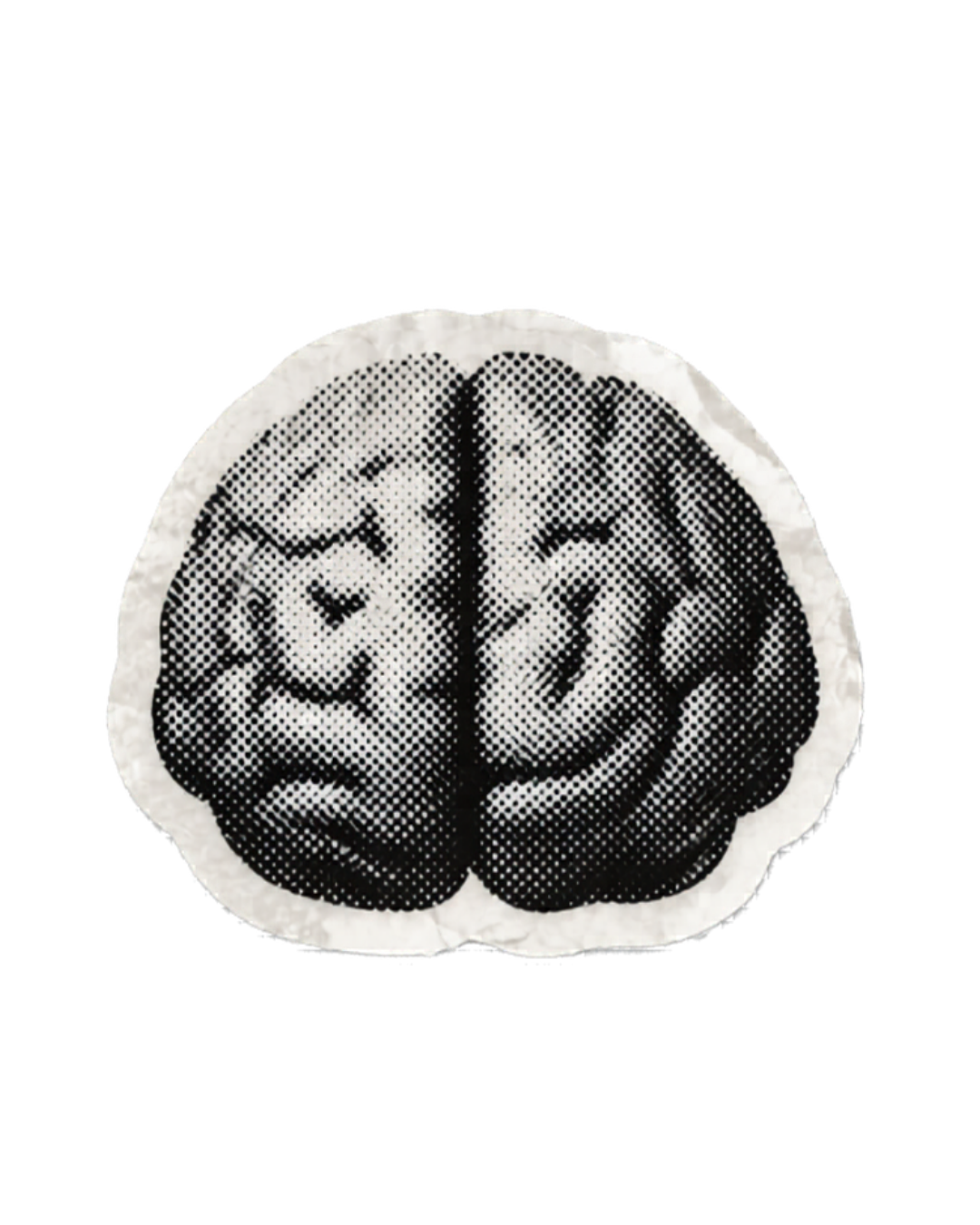
What is Eye Movement Desensitization and Reprocessing (EMDR)?
EMDR is one of the most researched, effective therapies for trauma — and it helps with more than PTSD. From anxiety and phobias to grief and negative self-beliefs, learn how EMDR helps the brain heal what talk alone can't reach.
Trauma Therapy That Works With Your Brain, Not Against It
Why you can understand your trauma and still feel triggered — and how therapy helps your brain update its old predictions of danger.

Tarot as a Tool for Self-Exploration
Tarot is often misunderstood as something meant to predict the future. But historically, tarot did not begin as a divinatory practice at all.

What is Anchored Relational Model?
There is so much more to who you are than what sits on the surface. What you carry is often layered: family expectations, cultural norms, and internalized narratives you've embodied as your truth. Anchored Relational Therapy (Anchored) was designed with this complexity in mind.

Spirituality in Therapy
Spirituality can be a source of grounding, healing, identity, and connection. It can also be a place where harm occurred. Part of healing may involve reclaiming your right to define what is sacred, meaningful, or spiritually true for you—on your own terms.
Social Media is a Mirror
You open Instagram for a distraction. Twenty minutes later, you somehow feel worse— more hopeless, more angry, more afraid of the world than you did before you picked up your phone.