
Spirituality in Therapy
Estimated reading time: 3 minutes
Spirituality can be a source of grounding, healing, identity, and connection. It can also be a place where harm occurred.
For some people, religion or spiritual systems were used to create shame, fear, control, disconnection, or self-abandonment. Others may carry grief, confusion, or ambivalence around belief itself. These experiences are real, and they deserve care and nuance rather than dismissal.
Part of healing may involve reclaiming your right to define what is sacred, meaningful, or spiritually true for you—on your own terms.
Your Autonomy in the Process
Spirituality only enters the therapy space when and how you want it to.
Nothing is assumed about your beliefs, practices, or worldview. You set the boundaries for what feels supportive, meaningful, or relevant to your healing process.
If you want to pull a tarot card to explore an emotional experience, we can do that.
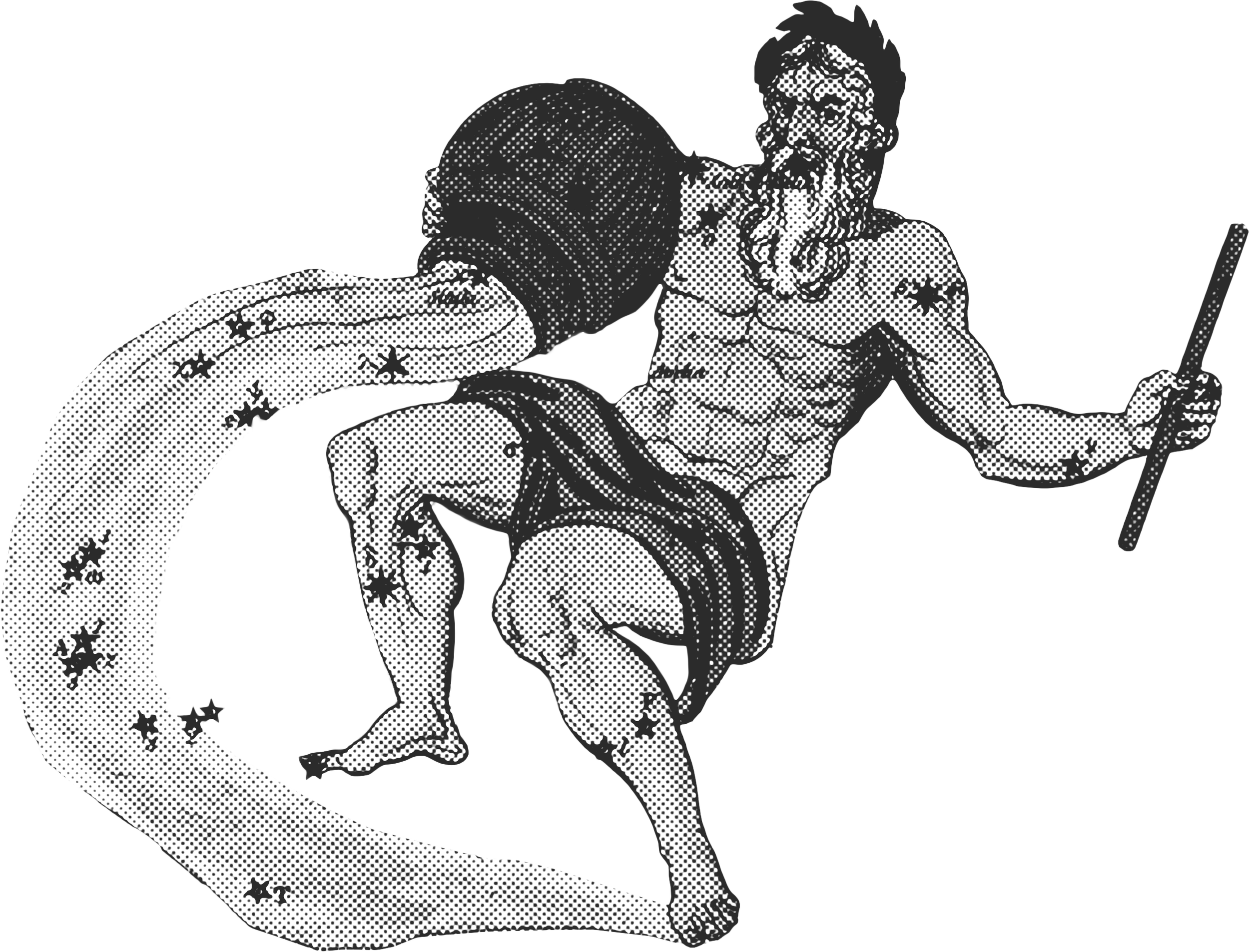
If you want to explore archetypes, symbolism, ritual, or even your natal chart as a way of understanding relational patterns or identity themes, we can do that too.
And if spirituality is not part of your framework at all, that is equally respected.
These practices are never required, imposed, or treated as objective truth. When they are present in the work, they are approached as reflective and symbolic tools for self exploration, insight, and meaning-making. Participation in spiritual exploration is always optional and discussed collaboratively to ensure it aligns with your goals, values, and comfort.
Holding Space for the Symbolic

Human beings naturally search for meaning. We create stories, symbols, rituals, myths, and frameworks to help us understand suffering, transformation, identity, grief, hope, and connection.
Sometimes experiences exist outside the limits of purely clinical language. Therapy does not have to strip away the symbolic, intuitive, archetypal, or spiritual parts of being human in order to be grounded, thoughtful, or psychologically informed. For many people, healing involves reconnecting not only with the mind and body, but also with meaning, imagination, spirituality, and a deeper sense of self.
If you are looking for a space where these parts of you are welcomed rather than pathologized, you are welcome here exactly as you are: the skeptic, the believer, the mystic, the witch, the spiritually curious, and the person still trying to figure out what they believe.